Creating a relaxing home workspace is key to staying productive and motivated while working remotely. When your work environment feels calm and inviting, it’s easier to focus, reduce stress, and maintain a healthy work-life balance. If you’re looking to transform your home office into a peaceful, productive space, here are some helpful tips to guide you.
Choose the Right Location
Selecting the best spot in your home for a workspace is the first step.
– Natural Light: Aim for a space near a window to benefit from natural daylight, which can boost mood and energy.
– Quiet Area: Find a place free from household noise and distractions.
– Separate from Living Spaces: Ideally, avoid working from areas linked to relaxation such as beds or couches to mentally separate work from rest.
Invest in Comfortable Furniture
Your furniture plays a vital role in comfort and productivity.
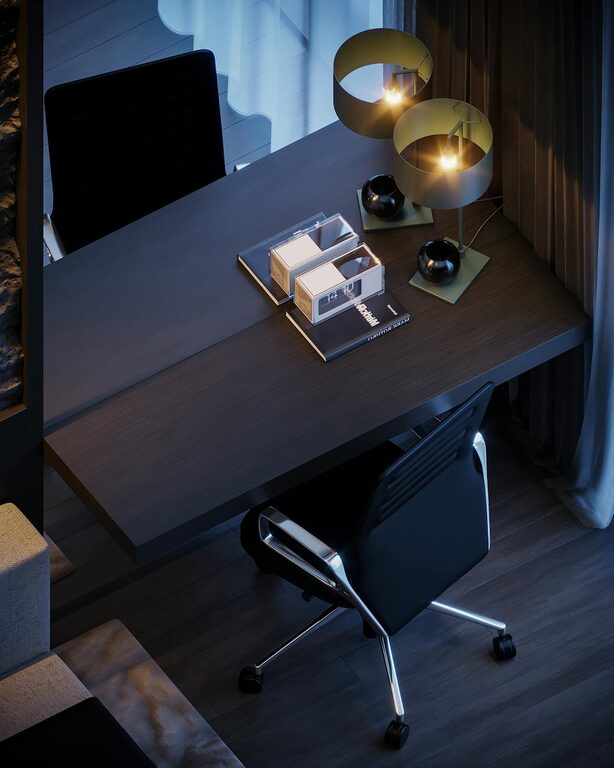
– Ergonomic Chair: Choose a chair that supports your lower back and encourages good posture.
– Adjustable Desk: A height-adjustable desk lets you switch between sitting and standing, helping reduce fatigue.
– Desk Size: Ensure your desk has enough surface area for your computer, accessories, and notes.
Organize to Minimize Clutter
A tidy space promotes clearer thinking and less stress.
– Storage Solutions: Use shelves, filing cabinets, or boxes to keep papers and supplies organized.
– Cable Management: Hide or bundle wires to prevent tangled cables.
– Daily Clean-Up: Make it a habit to clear your desk at the end of each workday.
Personalize Your Workspace Thoughtfully
Add elements that make the space warm and inviting without causing distraction.
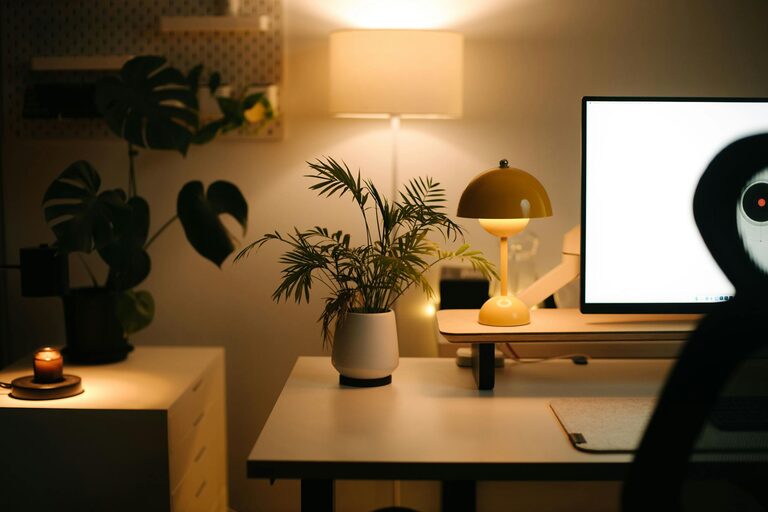
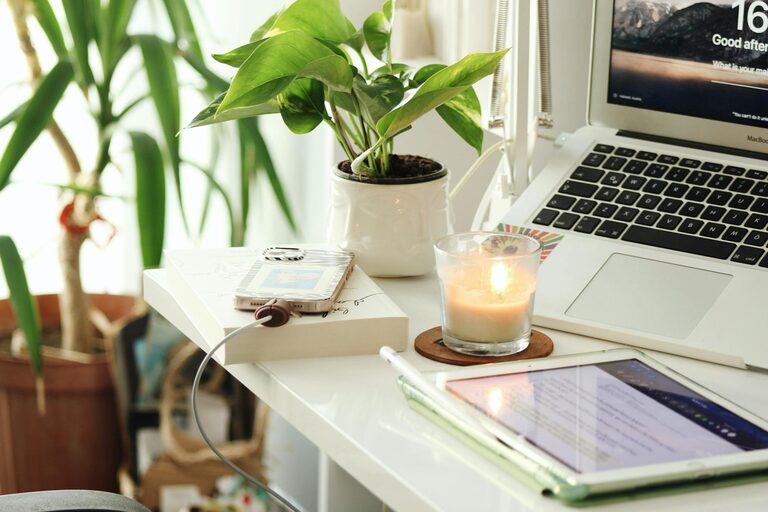
– Plants: Small indoor plants can improve air quality and add a touch of nature.
– Artwork or Photos: Choose calming images or inspiring quotes.
– Lighting: Use soft, warm desk lamps in addition to overhead lights for a cozy atmosphere.
Control Noise and Minimize Distractions
Maintaining focus is easier when external noises are reduced.
– Noise-Cancelling Headphones: Use them during periods of deep concentration.
– Background Sounds: Some people find white noise or gentle music helpful.
– Communication Boundaries: Set clear expectations with family or housemates about your work hours.
Incorporate Relaxation Techniques
Taking breaks and small relaxation practices can keep your mind refreshed.
– Timed Breaks: Use methods like the Pomodoro technique to schedule regular pauses.
– Stretching: Stand up and stretch to ease muscle tension.
– Breathing Exercises: Simple deep breathing can reduce stress and increase focus.
Maintain Good Air Quality and Temperature
Comfortable air helps you stay alert and comfortable.
– Ventilation: Open windows when possible to circulate fresh air.
– Air Purifiers: Consider using purifiers to remove allergens.
– Temperature Control: Adjust heating or cooling to maintain a pleasant environment.
Utilize Technology Wisely
Technology can either help or hinder your workflow.
– Efficient Hardware: Use a reliable computer and accessories to avoid frustrations.
– Productivity Apps: Employ apps that help with task management and focus.
– Limit Notifications: Turn off non-essential alerts to reduce distractions.
Establish a Routine
Consistency helps your brain associate your workspace with work.
– Set Work Hours: Try to start and end work at the same times each day.
– Dress for Work: Changing from pajamas to comfortable work clothes can signal your brain to focus.
– Workspace Rituals: Activities like making coffee before work or organizing your desk can prime you to be productive.
—
Creating a relaxing home workspace isn’t about perfection—it’s about making your environment work for you. By implementing these tips, you can design a space where productivity and calmness go hand in hand, helping each workday feel a little easier and a lot more enjoyable.