Creating a home office that feels comfortable and helps you stay productive can significantly improve your work-from-home experience. Whether you’re working remotely full-time or occasionally managing tasks at home, setting up the right environment plays a crucial role in your focus and wellbeing. Here are some helpful tips to design a home office space that works best for you.
Choose the Right Location
The first step is to select an area in your home dedicated to work. Ideally, this space should be:
– Quiet and low-traffic: Choose a spot away from distractions and household noise.
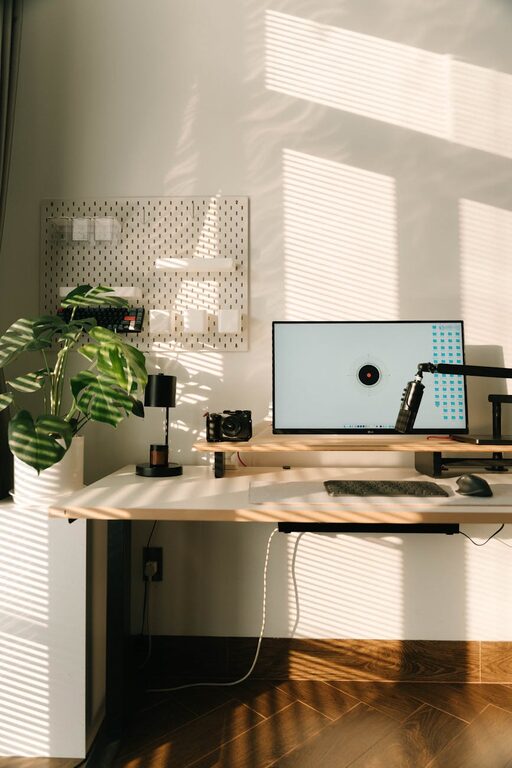
– Well-lit: Natural light is best, so position your desk near a window if possible.
– Comfortable: Ensure there is enough room for your furniture and equipment, and it suits your daily workflow.
If space is limited, consider converting unused corners, a guest room, or even part of your dining area into a mini office nook.
Invest in Ergonomic Furniture
Comfort translates directly into productivity. Long hours at a desk can be tough on your body if your setup is not ergonomic.
– Chair: Select an adjustable chair with good lumbar support to protect your spine.
– Desk: Choose a desk at a height that allows you to type and write without strain.
– Monitor placement: Position your computer screen at eye level to prevent neck strain.
– Accessories: Consider wrist rests, footrests, and adjustable keyboard trays to enhance comfort.
Taking care of your posture will reduce fatigue and increase your ability to focus.
Organize and Declutter Your Space
A tidy workspace helps clear your mind and improve efficiency.
– Use storage solutions: Shelves, filing cabinets, or desk organizers can keep papers and supplies in order.
– Keep only essentials on your desk: Limit desk items to ones you use daily.
– Cable management: Use clips or sleeves to keep wires neat and out of sight.
– Daily clean-up: Spend a few minutes at the end of each day tidying your area.
An organized space reduces distractions and makes it easier to find what you need.
Set Up Proper Lighting
Lighting impacts both your mood and your ability to work without eye strain.
– Natural light: Take advantage of daylight but avoid glare on your screen.
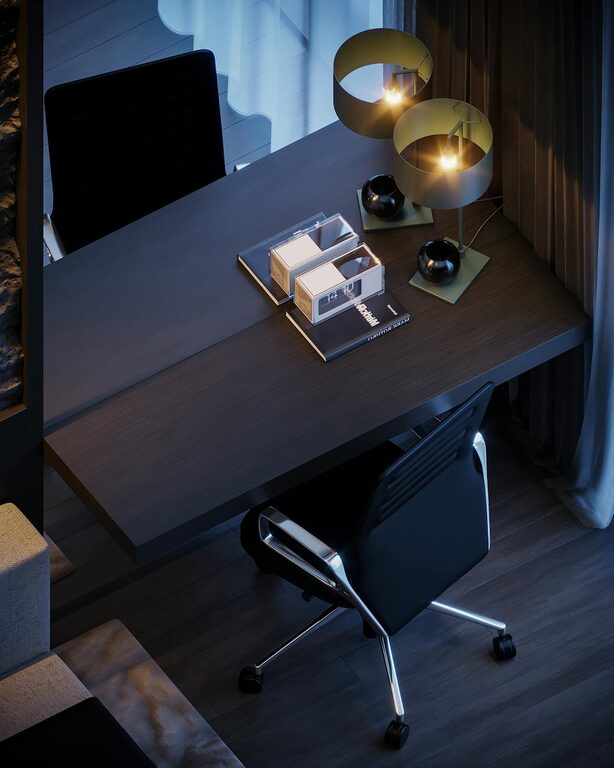
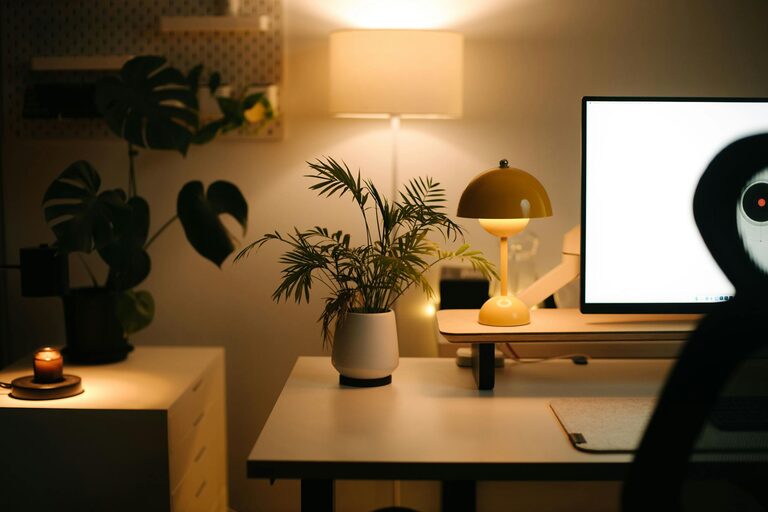
– Task lighting: Use desk lamps for focused activities like reading or writing.
– Adjustable lighting: Consider dimmable lights or bulbs with adjustable color temperatures to match the time of day.
Good lighting prevents headaches and keeps you alert during work hours.
Personalize Your Workspace
Adding personal touches can make your home office feel inviting and motivating.
– Decor: Include artwork, plants, or photos that inspire you.
– Colors: Use calming or energizing colors according to your preference.
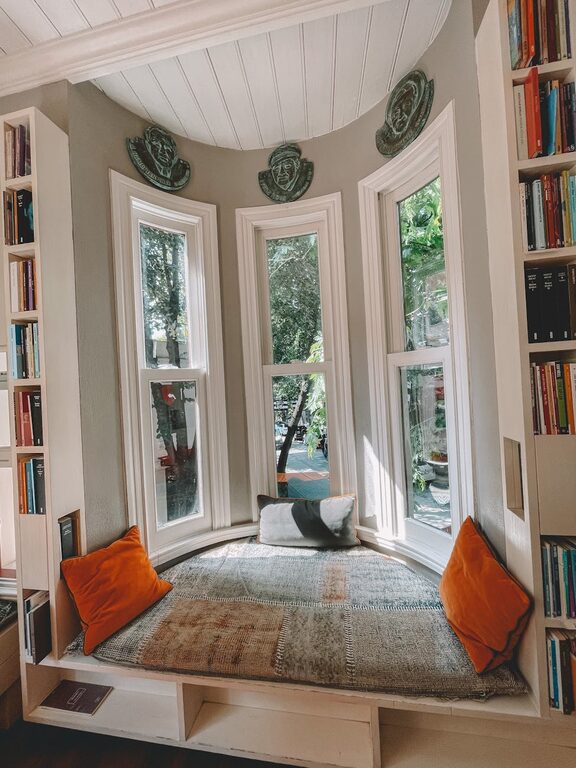
– Comfort aids: Have cozy throws or cushions for comfort.
While personalization is important, keep it balanced to avoid clutter.
Minimize Distractions
Reducing interruptions helps maintain your concentration.
– Set boundaries: Inform family members or housemates about your work hours.
– Noise control: Use noise-cancelling headphones or white noise machines if needed.
– Digital distractions: Use apps or settings to limit social media and notifications during focus times.
Creating a distraction-minimized zone enables better productivity.
Maintain a Routine and Breaks
A schedule helps structure your workday and separates it from personal time.
– Regular hours: Try to start and finish work at consistent times.
– Set breaks: Take short breaks every hour to stretch and rest your eyes.
– Create rituals: Begin your day with a routine that signals work time, such as making coffee or organizing your desk.
A healthy routine enhances focus and prevents burnout.
Use Technology Wisely
The right tools can streamline your work.
– Reliable internet: Ensure your Wi-Fi signal is strong and stable.
– Efficient devices: Use computers and peripherals that suit your tasks.
– Software: Utilize productivity apps for task management, communication, and file sharing.
Technology should support your workflow without causing frustration.
Keep Your Workspace Separate from Living Areas
If possible, avoid working in spaces associated with relaxation or entertainment.
– Dedicated space: Having a separate office room or corner helps mentally separate work from leisure.
– End-of-day habit: Close your laptop and clear your desk to signal the end of work.
– Change environment occasionally: Taking breaks outdoors or working from different spots can refresh your mind.
This separation supports work-life balance and mental wellness.
—
Creating a comfortable and productive home office involves careful planning, good ergonomics, organization, and a pleasant atmosphere. With these practical tips, you can design a workspace that meets your needs and helps you perform your best every day. Remember, small improvements can make a big difference in how you feel and work at home.