Creating a home office that is both cozy and productive can transform your work-from-home experience. Whether you’re a remote worker, freelancer, or someone who occasionally brings work home, the right environment can make a big difference in your focus and comfort.
In this post, we’ll explore practical tips to help you design a space that feels inviting and supports productivity throughout your day.
Choose the Right Location
Find a Quiet Spot
Select an area in your home that is relatively quiet and free from distractions. If possible, choose a room or a corner that isn’t frequently used for noisy activities.
Consider Natural Light
Natural light can improve mood and energy. Set up your desk near a window to benefit from daylight. If natural light is limited, invest in quality artificial lighting that mimics daylight.
Invest in Comfortable Furniture
Ergonomic Chair
A good chair is essential for comfort and posture. Choose an ergonomic office chair that provides support for your back and encourages good posture over long hours.
Functional Desk
Select a desk that fits your space and meets your needs. Whether you prefer a large surface for multiple monitors or a compact setup, it should suit your working style.
Organize Your Space Efficiently
Declutter Regularly
Keep your workspace tidy by removing unnecessary items. A clutter-free desk helps maintain focus and reduces stress.
Use Storage Solutions
Incorporate shelves, drawers, or organizers to keep supplies neatly stored but easily accessible. This helps keep the desk surface clear for work.
Personalize for Comfort and Inspiration
Add Soft Textiles
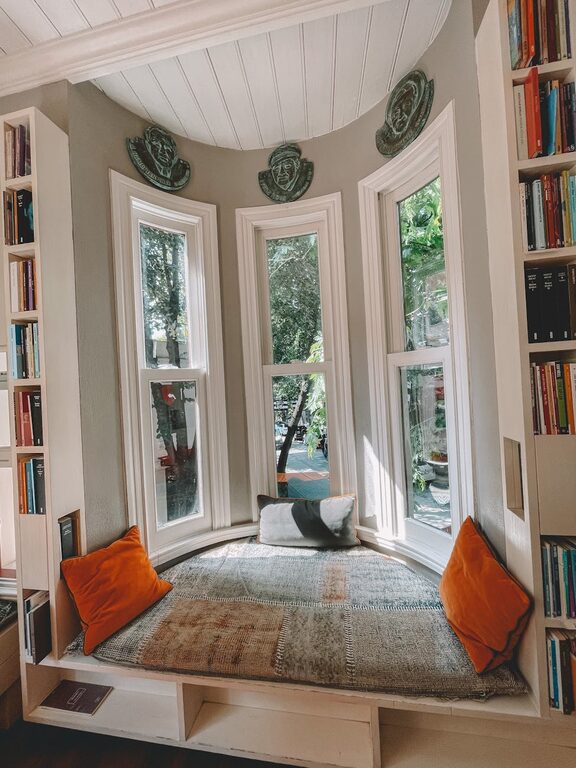
Incorporate cushions, rugs, or a throw blanket to add warmth and softness to your workspace. This can make the environment more inviting.
Display Inspiring Items
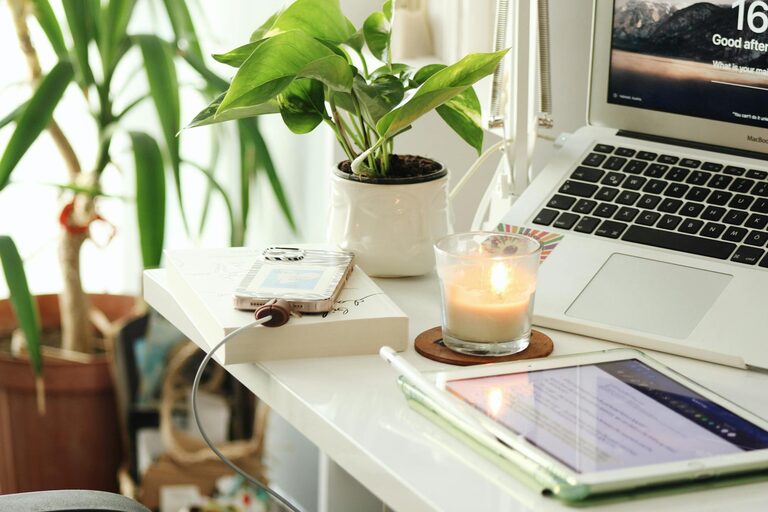
Include personal touches like artwork, photos, or plants. These elements can boost your mood and creativity without causing distractions.
Optimize Lighting
Layered Lighting
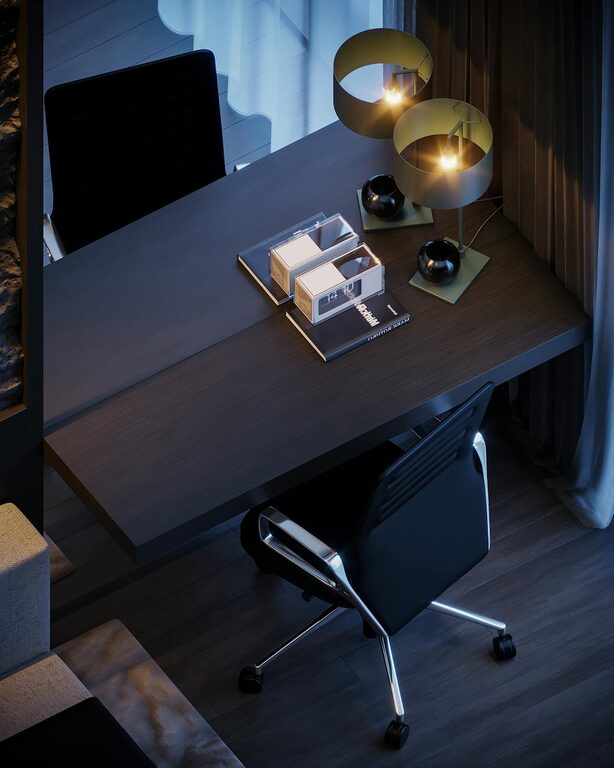
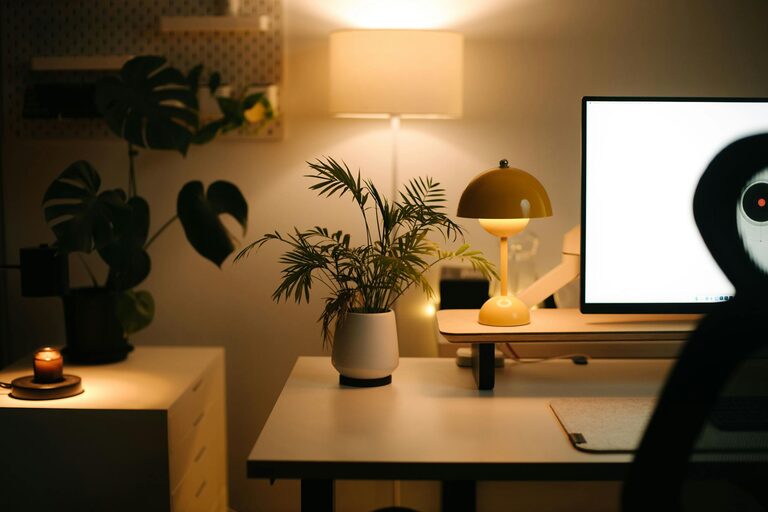
Use a combination of ambient, task, and accent lighting. For example, a ceiling light for general illumination, a desk lamp for focused tasks, and a small lamp for ambiance.
Adjust Brightness
Make sure your workspace has adjustable lighting levels. This helps reduce eye strain whether you’re working early in the morning or late at night.
Minimize Noise Distractions
Soundproof When Possible
Add rugs, curtains, or wall panels to absorb sound. If external noises are a problem, consider noise-cancelling headphones or a white noise machine.
Set Boundaries
Communicate your working hours to family or housemates to minimize interruptions.
Incorporate Technology Wisely
Reliable Equipment
Use reliable hardware like computers, printers, and internet connections that suit your work requirements.
Cable Management
Keep cables organized and out of sight using clips or sleeves. This not only keeps your desk clean but also reduces the risk of accidents.
Establish a Routine and Work Zones
Define Work Hours
Set regular work hours and try to stick to them. This helps create a clear separation between work and personal time.
Create Zones
If space allows, designate areas for different activities, such as a main workstation for focused tasks and a separate spot for brainstorming or reading.
Prioritize Ergonomics
Monitor Position
Position your monitor at eye level and about an arm’s length away to prevent neck and eye strain.
Keyboard and Mouse Placement
Keep your keyboard and mouse at a height that allows your elbows to stay close to your body and your wrists to be in a natural position.
Maintain Air Quality and Temperature
Ventilation
Good air circulation is important for comfort and alertness. Open windows when possible or use air purifiers.
Temperature Control
Keep the room at a comfortable temperature. If needed, use fans or heaters to maintain an ideal working environment.
Take Breaks and Move
Incorporate Movement
Stand up, stretch, or take a short walk regularly to stay refreshed. Setting reminders for breaks can improve productivity and reduce fatigue.
Create a Relaxation Spot
If space allows, add a chair or corner where you can briefly step away from work to recharge.
—
By combining comfort, organization, and practical work habits, you can create a home office that feels welcoming and helps you stay productive all day long. Remember, the best home office space reflects your personal style and supports your unique work needs. Happy decorating!